Managing chronic muscle pain can be challenging, especially when the discomfort stems from those stubborn “knots” deep in your muscles. These tender spots are common culprits behind neck aches, back pain, and other persistent muscle soreness. Myofascial trigger points are extremely common, affecting up to 85% of people at some point in their lives. Given how widespread these painful points are, it’s no surprise that both patients and practitioners are seeking natural pain relief methods to treat them. One approach gaining attention is trigger point acupuncture, a technique designed to provide pain relief exactly where it hurts most by merging principles of traditional acupuncture with the direct focus of trigger point therapy.
What Are Trigger Points?
Trigger points are essentially small patches of tightly contracted muscle fibers. Imagine a tiny knot in your muscle tissue. Medically, a trigger point is defined as a taut band of skeletal muscle that can often be felt as a tender nodule under the skin. These spots are hyperirritable, meaning they hurt when pressed and can even cause pain in other regions through “referred pain.” For example, a trigger point in your shoulder blade might send aching sensations down your arm. Unlike a full muscle cramp that causes an entire muscle to spasm, a trigger point involves just a small portion of muscle tissue that stays stuck in a contracted state. Such localized tightness restricts fresh blood flow and irritates nerves, which is why it hurts and sometimes limits your range of motion.
Anyone can develop trigger points. They often form after acute injuries or from repetitive strain, like the accumulated tension of poor posture, overuse in sports, or stress-related muscle clenching. Lack of sleep, stress, and muscle deconditioning can also contribute. Over time, the tight knot of muscle fibers and surrounding fascia creates a self-perpetuating cycle of pain: the contracted spot cuts off some circulation, leading to irritation and pain, which in turn makes the muscle clamp up further. If trigger points persist and multiple areas are involved, it can lead to a chronic condition known as myofascial pain syndrome. Understanding these points is the first step toward effective trigger point treatment, because you can’t fix what you can’t identify.

How Trigger Point Therapy Works (Pressure and Massage)
Traditionally, one of the simplest forms of trigger point therapy is manual pressure, essentially massaging or pressing on the knot until it softens. This is sometimes called pressure point therapy or ischemic compression. The idea is to apply steady, focused pressure to the trigger point, which can disrupt the contracted muscle fibers and encourage them to lengthen again. For example, a massage therapist might use their thumb, knuckle, or elbow to press firmly on a trigger point for a short period. The therapist may hold pressure on the tender spot for about 30 to 90 seconds, typically just until they feel the tissue start to release and the tight spot eases up.
Massage therapy is a common way to perform trigger point work. A specialized form of medical massage known as neuromuscular therapy focuses on releasing trigger points in muscles. In massage for muscle knots, the practitioner will first locate the knot by feeling for the taut, band-like area in the muscle. Then they’ll use deep, direct pressure or friction on that spot. Often, you’ll feel the pain “on the spot” where they’re pressing, and possibly a referred ache elsewhere. Over several seconds, the intense sensation usually diminishes as the muscle relaxes. By systematically working through various muscles and their trigger points, massage can improve flexibility, relieve pain, and break the pain-tension cycle in the affected area.
Besides direct pressure and massage, there are other trigger point treatment methods. Stretching techniques or “spray-and-stretch” are sometimes used to calm trigger points. Additionally, tools like foam rollers or massage balls let individuals apply pressure to their own trigger points, which can be part of a self-care routine. However, when trigger points are particularly stubborn or deeply embedded within a muscle, physical pressure alone may not fully release them. This is where more invasive approaches come into play. Needling for muscles involves inserting a thin needle into the trigger point, provoking a twitch or spasm that helps the tight fibers relax. There are two primary needling approaches to treating trigger points: acupuncture vs. dry needling. Both use needles, but they come from different backgrounds and philosophies.
Trigger Point Acupuncture: A Targeted Approach
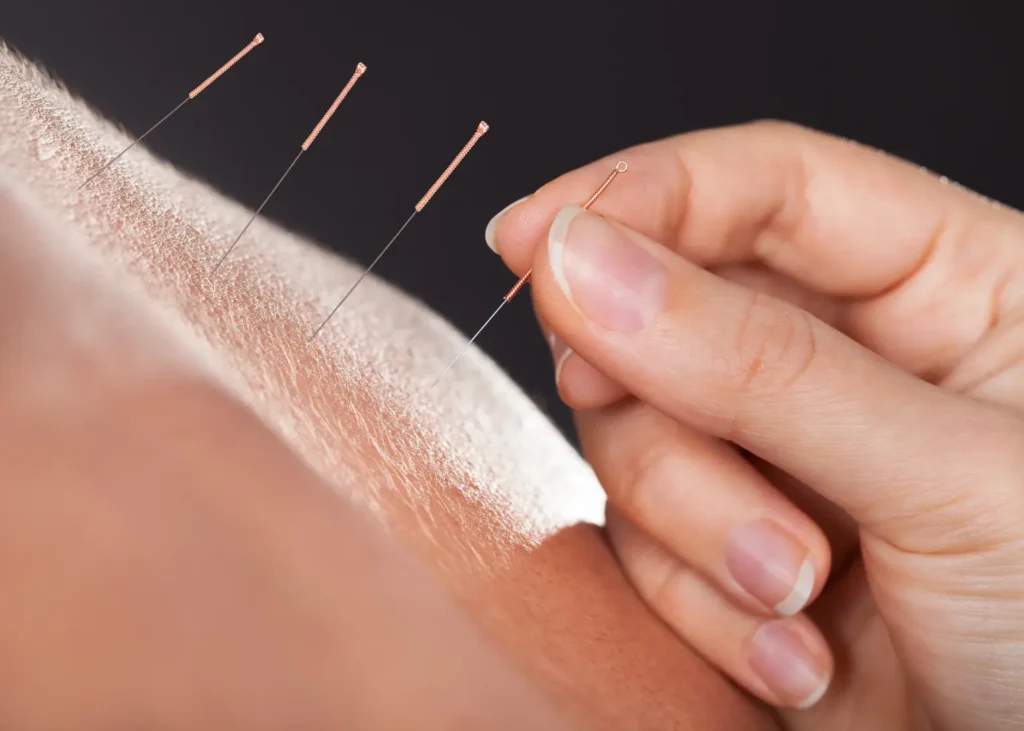
Trigger point acupuncture is a technique that combines the concept of trigger points from Western anatomy with the tools of traditional Chinese acupuncture. In simple terms, it involves inserting fine acupuncture needles directly into the knotted muscle fibers to make them release. It’s a form of pain management acupuncture that zeroes in on the exact muscle that’s causing trouble, rather than using the broader network of meridian points that traditional acupuncture might employ for internal balance. In practice, trigger point acupuncture is very similar to what many physical therapists call dry needling. The key difference is typically who performs it and the theoretical framework: a licensed acupuncturist may refer to it as trigger point acupuncture. It might integrate some traditional acupuncture theory, whereas a physical therapist performing the same needling in a muscle knot would call it dry needling.
What to Expect During a Trigger Point Acupuncture Session
If you decide to try trigger point acupuncture for your muscle pain, it’s helpful to know what the experience will be like. In many ways, a trigger point acupuncture session is similar to a standard acupuncture visit, but with extra focus on your muscles and areas of pain. Here’s a step-by-step overview of what to expect:
- Initial Assessment: The practitioner, whether an acupuncturist or another provider, will begin by discussing your pain history, symptoms, and any relevant health background. They’ll likely ask you to pinpoint where you feel pain and what movements or activities aggravate it. They may also do a brief physical examination, asking you to move certain ways to see which muscles might be involved. Often, they will palpate around the painful area to locate the exact trigger points. Don’t be surprised if they find spots that are much more tender than you realized. These are often the active trigger points causing your discomfort. Good communication is key: let them know when they hit a really sore spot, as that feedback helps confirm the trigger point location.
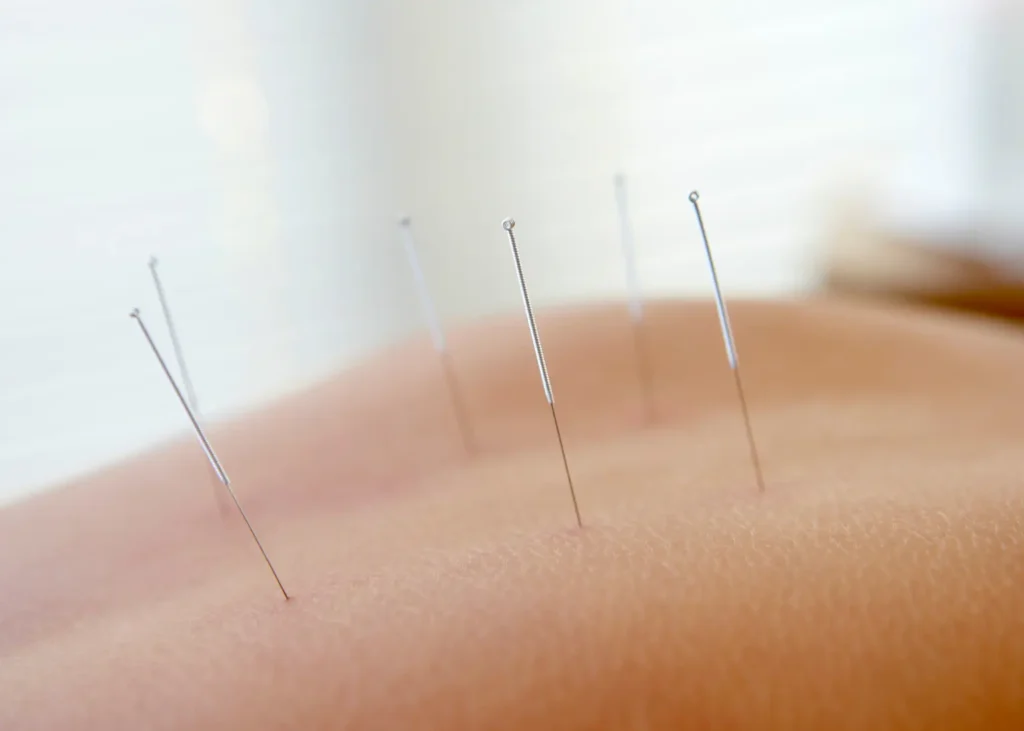
- Needling Process: Once the trigger points are identified, the practitioner will sanitize the skin and prepare a sterile single-use needle. They’ll comfortably position you. You’ll be instructed to relax the target muscle as much as possible. The needle is then inserted through the skin into the trigger point. You might not even feel the tiny needle go in, or it may feel like a small pinch. The most noticeable sensation usually occurs when the needle hits a tight muscle knot. At that moment, you might feel a quick cramp or a reproduction of your familiar pain. Often, the muscle will twitch involuntarily – sometimes visibly. This is called a “local twitch response,” and it’s a sign the trigger point is reacting. Patients often describe the twitch as a weird yet relieving sensation, like the muscle is momentarily contracting. It may ache for a second, then quickly ease. The practitioner may manipulate the needle gently to get one or more twitches. This part typically lasts only a few seconds. Unlike classic acupuncture, the provider typically does not leave needles in one spot for a long time; they might insert and withdraw the same needle a few times in and around the knot, then move on to the next point.
- Discomfort Level: Trigger point needling isn’t generally described as painful in the sharp sense, but it can be uncomfortable due to the muscle’s response. You might feel a deep ache or pressure, and some spots will be more sensitive than others. Practitioners aim for a therapeutic level of discomfort. Communication is important here; you should let them know if something is very painful so they can adjust the technique or stop. The goal is typically to produce a tolerable twitch and ache that signals release, rather than causing excessive pain.
- Adjunct Therapies: Depending on the practitioner, they might combine the needling with other therapies in the same session. An acupuncturist might insert a few additional needles in traditional acupoints to help with overall energy flow or to calm the nervous system while the trigger point needles are being applied. Some use electroacupuncture to stimulate the muscle a bit more. A physical therapist performing dry needling might stretch the muscle afterward or have you do some gentle exercises to reinforce the new, relaxed muscle length. They might also use heat or ultrasound on the area post-needling to soothe it.
- After-Effects: When the session is done, the practitioner may massage the area lightly or advise you to move the muscle gently. It’s common to feel immediate improvement in your range of motion. You can turn your head further, or that tight band in your calf suddenly feels released. You may also experience a sense of general relaxation, especially if traditional acupuncture points were used. It’s possible to experience some residual soreness in the areas that were needled, similar to the sensation after a deep workout. This soreness typically resolves within a day or two. Applying a warm compress or doing some light stretching at home can help, as can staying well-hydrated to aid muscle recovery. Your practitioner will likely remind you to drink water and avoid strenuous activity with that muscle for about 24 hours.
- Treatment Course: Relief from trigger point acupuncture can sometimes be noticed right away, but lasting change often requires a series of treatments. The practitioner might recommend a few sessions over several weeks, especially if you have multiple trigger points or longstanding chronic pain. Over the course of treatment, you should experience progressively longer-lasting pain relief and less frequent flare-ups of the muscle knots.
A trigger point acupuncture session is a fairly quick procedure and is done in an outpatient setting with minimal recovery time needed. Knowing what to expect can ease any anxiety you have about the needles.
Finding a Qualified Trigger Point Specialist
It’s crucial to find a qualified practitioner, a trigger point specialist who has the proper training and credentials. In the United States, this could be either a licensed acupuncturist or a licensed physical therapist, depending on the service you’re looking for. If you’re leaning toward acupuncture, look for a Licensed Acupuncturist. These professionals typically have a Master’s or Doctorate in Acupuncture/Oriental Medicine and are certified by the National Certification Commission for Acupuncture and Oriental Medicine (NCCAOM). Most states in the U.S. require acupuncturists to have NCCAOM certification and a state license to practice. An acupuncturist with experience in trigger point work might advertise it as trigger point acupuncture, orthopedic acupuncture, or dry-needling acupuncture.
If you prefer to go through a physical therapy or sports medicine route, you’d be looking for a physical therapist (PT) or other clinician who is certified in dry needling. Dry needling regulations vary by state: in most states, licensed physical therapists can perform dry needling as part of their practice. Again, ensure that any PT you choose has specific training in dry needling – not all physical therapists do this technique, as it’s not part of the basic PT school curriculum everywhere. Also, a handful of states require that only acupuncturists perform dry needling, which means in those places you’ll have to see an acupuncturist for trigger point needling anyway. Always check your state’s regulations or professional board for guidance if you’re unsure.
Booking a Session and Considering the Cost
Once you’ve identified a practitioner or clinic, it’s time to book an acupuncture session to address your trigger points. Many acupuncturists and physical therapists allow online booking or scheduling via phone. When you call to book, mention that you’re specifically interested in trigger point acupuncture or dry needling for your condition, so they can allot proper time or pair you with the right specialist. For instance, ModMeds offers integrative pain treatments. At such a clinic, you could request a session focused on trigger point release. When you arrive for your appointment, wear comfortable, loose clothing if possible; it makes it easier to access the muscles that need treatment. You might also want to jot down a few notes about your pain patterns beforehand to share with your provider.
A practical consideration for many people is the cost of treatment. Acupuncture therapy cost can vary widely depending on where you live, the provider’s qualifications, and the setting. In the United States, a typical private acupuncture session might range from around $70 to $150. Initial visits are often longer and a bit more expensive than follow-ups. Dry needling therapy performed by a physical therapist might be billed as part of a physical therapy session, or it might be a cash service. An initial acupuncture visit without insurance in the U.S. typically costs around $112, with follow-up sessions averaging approximately $80.
In the quest for pain relief, it’s empowering to know there are options beyond pills and surgeries. Trigger point acupuncture stands out as a precise and natural pain relief option that truly targets where it hurts most. Suppose you’re suffering from persistent muscle knots or myofascial pain. In that case, it may be time to give those trigger points a little poke and finally experience the relief you’ve been looking for. Your body will thank you as those knots unwind, and you regain the ability to move freely and comfortably again.
Sources
- Cleveland Clinic – Trigger Point Injections (Myofascial Pain)my.clevelandclinic.org
- Verywell Health – What Are Trigger Points and How Can Therapy Help?verywellhealth.com
- Cleveland Clinic – Dry Needling vs. Acupuncture: How Are They Different?health.clevelandclinic.orghealth.clevelandclinic.org
- Harvard Health – Acupuncture for Pain Relief: How It Works and What to Expecthealth.harvard.edu
- GoodRx – How Much Does Acupuncture Cost?goodrx.com